Fraud Awareness

If you notice any unauthorized transactions or suspect fraud, reach out to us immediately to report this at 765-236-0600.

Holiday Fraud Scams

Shipment Updates
Watch for a text or email asks you to click a link regarding a package. If you didn’t order anything, this is a scam, and the message should be deleted. If you did order something, always check with the merchant rather than clicking a potentially harmful link.
Secret Shopper
Watch out for requests to be a secret shopper and purchase gift cards. Fraudsters will ask you to visit a business, report its hospitality and buy gift cards to send to them. Please be mindful that anyone asking for gift cards or money in return is a scam.
Charitable Giving
Be mindful of ‘look-a-like’ charities that pressure you into sending money. A real charity would never pressure you to send donations and can tell you how your money would be used. A quick internet search can help you verify if a charity is legitimate.
Online Shopping
Check holiday deal ads that link to a new website. Verify you are truly on the correct website (look for https://) and do some research to see if there are any reviews before putting sensitive information online. To be extra safe, consider not saving your payment information during checkout.
Tax Related Phishing Emails
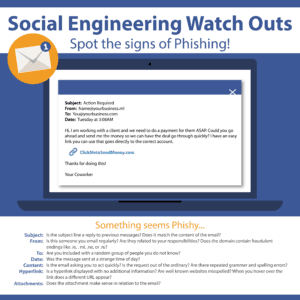
A common scam expected to intensify soon will involve emails pretending to be from the IRS or others in the tax industry. These frequently involve unexpected, good news, like a tax refund. But they can also involve variants telling people they have a tax bill or have tax documents available to download. Use caution and double check links before clicking.

The latest scams we're seeing

Phone Number Spoofing
Spoofing is making the Caller ID appear as the bank. If the call seems suspicious, do not give out your information and simply hang up and contact your banker directly. Dialing the bank's number will always lead you directly to our local Call Center team for assistance.
Debit Card Fraud Alert Text Messages
Scammers are sending fake text messages claiming there was suspicious activity on your debit card and asking you to reply. If you respond, they may call pretending to be your bank and try to trick you into sharing sensitive information such as online banking credentials, account numbers, or MFA codes. Remember: your bank will never ask for passwords, verification codes, or other secure login information by phone, text, or email.
Bank or Government Official Impersonations
Scammers often pretend to be representatives from a bank, government agency, or other trusted organization to appear credible and gain your trust. Their goal is to trick you into sharing sensitive information such as your Social Security number, account information, passwords, or security codes. These scams can result in significant financial losses, so always verify who you're speaking with before providing any personal information.
AI Enhanced Fraud and Deepfakes
Scammers can use information from social media sites like Facebook and LinkedIn to create convincing scams, including AI-generated voice clones of loved ones or friends. They often create a sense of urgency or panic and request money or personal information. To stay safe, always verify the situation by calling your loved one directly using a phone number you know and trust, rather than responding to the caller or message.

Common scams to be aware of

Security tips for peace of mind

If you need to file a complaint or report identity theft, please utilize these external sites:

Internet Crime Complaint

The IC3 accepts online internet crime complaints.

Identity Theft

IdentityTheft.gov can help you report and recover from identity theft.

If you notice any unauthorized transactions or suspect fraud, reach out to us immediately to report this at 765-236-0600.